
4 Things You Need to Know Before Getting a Dental Implant
Dental implants can be a life-changing solution for many individuals dealing with missing teeth. However, the decision to undergo this advanced surgical procedure should not be taken lightly. This article will guide you through essential considerations to keep in mind before moving forward with a permanent tooth replacement.
Investing in your smile requires a clear understanding of the treatment timeline, overall clinical eligibility, financial commitments, and recovery protocols. Becoming an informed patient allows you to approach the journey with absolute confidence. This comprehensive guide details the key aspects of getting a dental implant to ensure you achieve an optimal, beautifully restored, and lasting smile.
1. Understanding Dental Implants
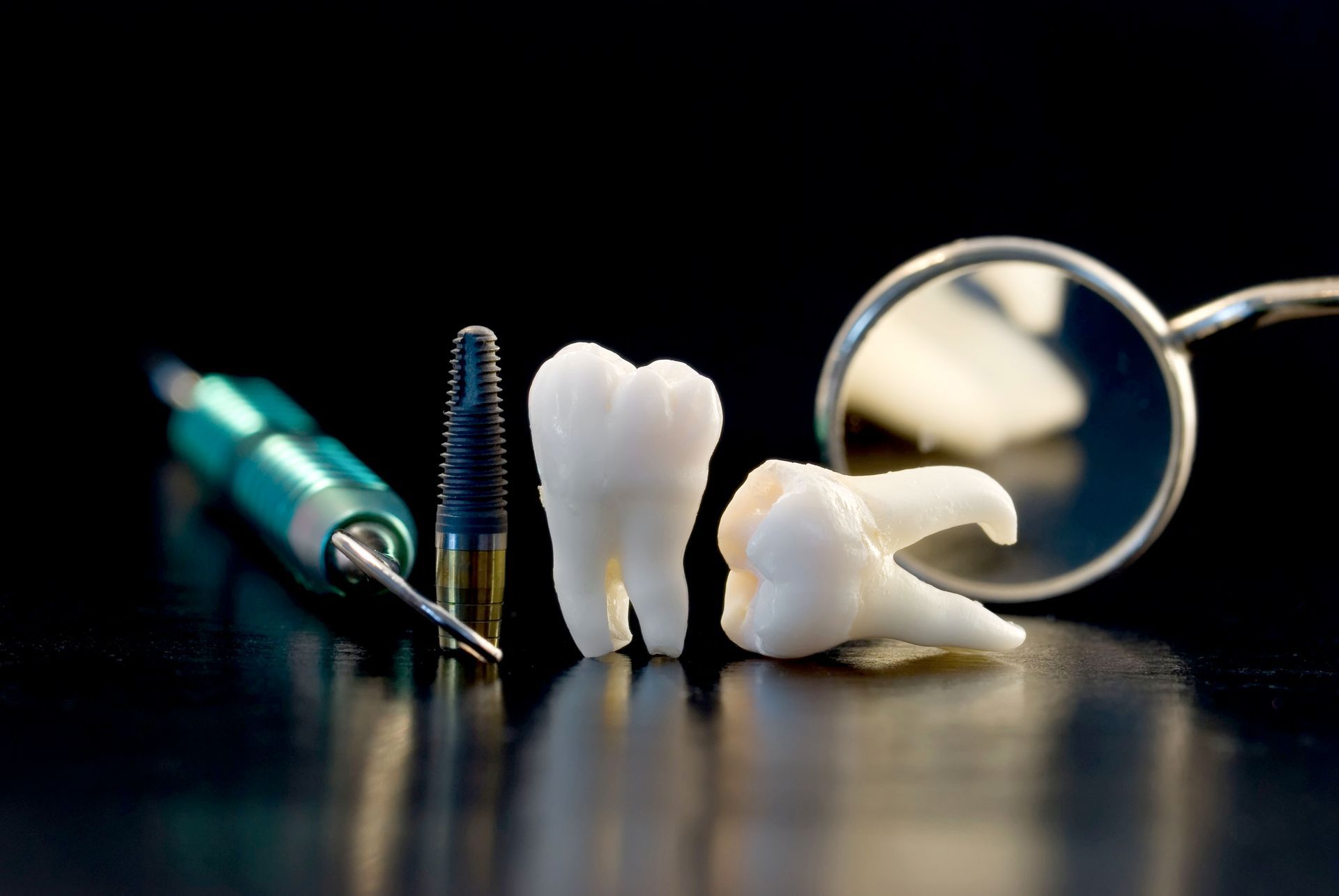
A dental implant is an artificial tooth root, typically crafted from medical-grade titanium, that provides a permanent, stable base for fixed or removable replacement crowns. These devices are surgically anchored into the jawbone, where they function exactly like natural roots. By mimicking this biological foundation, an implant preserves the structural integrity and density of the jawbone, preventing the bone resorption that naturally occurs after tooth loss. For individuals suffering from missing teeth, this treatment restores full chewing functionality, protects facial aesthetics, and rejuvenates personal self-confidence.
The treatment process is a multi-stage journey that begins with a comprehensive digital consultation and structural health assessment. Following planning, the titanium fixture is precisely positioned into the bone. After surgical placement, a vital biological healing phase known as osseointegration occurs. During this period, which can span several months, living bone tissue grows around and bonds securely with the metal surface.
According to Very Well Health, while some dental implant patients may wait up to six months before receiving their replacement teeth, others can have the entire procedure completed in a single visit. Once structural integration is complete, a small connector called an abutment is attached, which securely supports the final custom-made porcelain crown.
There are two primary categories of implants utilized in modern restorative dentistry: endosteal and subperiosteal. Endosteal implants are surgically embedded directly into the jawbone and represent the most common methodology. Subperiosteal implants are designed for patients who present with inadequate natural bone height and wish to avoid bone grafting; these frames are placed on top of the jawbone but completely beneath the protective gum tissue. Your clinical team will recommend the ideal configuration based on your unique bone architecture and personal anatomical requirements.
Modern implant dentistry boasts an exceptional, clinically proven success rate of approximately 95% to 98%, making it the most reliable long-term solution for tooth loss. With meticulous oral hygiene and routine professional maintenance, a premium implant can easily last for a lifetime. The long-term prognosis depends heavily on your daily brushing habits, systemic health, and lifestyle choices. Following all clinical aftercare instructions maximize the longevity of your investment, though understanding potential healing complications remains an important component of your initial preparation.
Despite the extensive functional benefits of a permanent implant, traditional alternatives such as fixed dental bridges and removable partial or full dentures remain available. Dental bridges utilize adjacent natural teeth as structural anchors to span the gap of a missing tooth, while dentures are removable prosthetics designed to replace larger groupings of missing teeth. Each option carries distinct advantages and drawbacks regarding upfront costs, required bone preservation, and long-term maintenance. Discussing these alternatives with an expert ensures you select the treatment that fits your lifestyle.
2. Evaluating Candidacy for Dental Implants
A comprehensive evaluation of your medical and periodontal history is the crucial first step in determining candidacy. Your clinical team must review chronic medical conditions, active prescriptions, allergies, and past surgical outcomes. Systemic diseases like uncontrolled diabetes or severe cardiovascular issues can slow post-surgical healing and impact long-term success. Understanding your health history allows specialists to tailor your treatment plan safely, mitigating risks before surgery begins.
Sufficient, healthy jawbone volume is mandatory to anchor the titanium fixture securely against biting forces. Specialists utilize advanced 3D cone-beam computed tomography (CBCT) scans to evaluate your exact bone quality. If bone loss has occurred due to long-term tooth absence, a preliminary bone graft may be required to build up the site, enhancing the long-term prognosis of your dental implant.
While advanced age is not a barrier to receiving an implant, jawbone development must be completely finished, meaning younger teenagers are not yet eligible. Lifestyle choices, particularly heavy tobacco use or vaping, significantly hinder vascular circulation in the gums and can impede osseointegration. Patients are strongly encouraged to adopt healthy habits prior to surgery to ensure successful treatment outcomes.
Specific health conditions serve as temporary or permanent contraindications for implant surgery. Active periodontal disease, severe untreated osteoporosis, and undergoing active chemotherapy can severely disrupt bone healing. Any active oral infections or gum inflammation must be fully resolved before proceeding with surgery to avoid early implant failure and protect your overall well-being.
Consulting with an experienced implant specialist is essential to navigate the technical intricacies of the procedure. This clinical meeting provides a transparent opportunity to establish your aesthetic expectations, analyze your 3D imaging, and map out your customized treatment timeline. Establishing clear communication and trust with your dental team ensures a smooth, predictable, and comfortable surgical journey.
3. Cost Implications and Financial Planning
The overall cost of implant therapy reflects the sophisticated technology, premium materials, and surgical expertise required. Total expenses typically encompass the initial 3D diagnostics, the titanium implant fixture, the custom matching abutment, and the final laboratory-fabricated porcelain crown. If secondary procedures like bone grafting or sinus lifts are necessary to prepare the bone, they will be itemized separately within your treatment plan.
Dental insurance policies can vary regarding coverage for implant surgery. While some progressive providers cover a percentage of the restorative crown or abutment, they may exclude the surgical placement of the implant itself. It is critical to have your dental team submit a formal pre-determination of benefits to your insurer to map out your exact out-of-pocket responsibilities.
To ensure this life-changing care remains highly accessible, most modern dental practices offer flexible in-house payment schedules or partner with trusted third-party medical financing firms. These specialized services provide low-interest or interest-free credit lines, allowing patients to divide the cost of treatment into manageable monthly installments that fit comfortably within their personal budgets.
When looking for cost-effective ways to manage your care, consider utilizing pre-tax dollars from a Flexible Spending Account (FSA) or Health Savings Account (HSA). Additionally, enrolling in a dental membership plan can provide structural discounts on major restorative procedures, ensuring that premium care remains accessible without compromising on the quality of your materials.
4. Preparing for and Recovering from the Procedure
In the days leading up to your surgery, your clinician will provide a comprehensive pre-operative protocol. This may include filling an antibacterial mouthwash prescription, starting a preventative course of antibiotics, and adjusting specific medications. Arranging for a supportive friend or family member to drive you home after receiving sedation ensures a safe, stress-free transition.
While dental implants provide unparalleled long-term benefits for individuals dealing with missing teeth, achieving a successful outcome requires thorough research and proper preparation. By understanding the surgical phases, assessing your structural eligibility, and selecting premium components, you can look forward to a seamless smile transformation.
When you are ready to explore your options for a permanent, beautiful smile restoration, trust your care to the expert team at Booyson Dental Associates. Our dedicated specialists utilize state-of-the-art diagnostics and gentle, precise surgical techniques to ensure your treatment experience is completely comfortable, predictable, and tailored to support your lifelong oral health.











Share On: